Cost of therapy in California
How much does therapy cost in California?
By Christina Mathieson, LMFT · Reviewed June 2026
Therapy in California typically costs $150–$300 per 50-minute session with a licensed therapist in private practice. Associate therapists usually charge $120–$180 for general therapy, and up to around $200 for specialty work like couples therapy or EMDR, with the option for a sliding scale. Community mental health and training clinics can be $20–$80 on a sliding scale. Insurance, PPO out-of-network, in-network HMO, or an employer plan like Lyra, changes the math, sometimes dramatically.
The harder question isn't the sticker price; it's whether you can afford the rate long enough for therapy to actually do anything. This page covers both.
Looking for therapy in California?
We see clients by secure video across California. A free 15-minute consult confirms your exact rate, sliding-scale availability, and the cleanest insurance path, no commitment.
Typical price ranges in California
| Provider type | Cost per session |
|---|---|
| Licensed therapist, private practice | $150–$300 |
| Associate therapist (pre-license) | $120–$180 up to $200 specialty, sliding scale available |
| Specialty therapy (couples, sex, EMDR) | $175–$350 |
| Community mental health, training clinic | $20–$80 |
| Psychiatrist (medication + therapy) | $250–$500+ |
Notes for context: licensed therapists in private practice carry an LMFT, LCSW, PsyD, LPCC, or LP. Associates (AMFT, APCC, ASW) are fully trained and supervised, typically 2,000–4,000 hours into a 3,000-hour licensure path, the work is clinically equivalent at a lower rate. Community mental health centers and training clinics serve clients who genuinely cannot afford private rates; the trade-off is wait time and therapist turnover.
What actually affects the price
A few levers move therapy cost more than anything else:
- Licensure level. Associate (AMFT, APCC, ASW) vs. licensed (LMFT, LCSW, LPCC, PsyD). Associate work is supervised, clinically equivalent, and typically 30–40% cheaper.
- Specialty. Couples therapy, sex therapy, EMDR, and trauma-specialty work tend to run higher because the training is longer and the session load per therapist is smaller.
- Location. SF, South Bay, and West LA skew 20–30% higher than the state average. Sacramento, Fresno, Inland Empire skew lower.
- Session length. Standard is 50 minutes. 80-minute sessions (used sometimes in EMDR or couples work) cost roughly 1.5x.
- Insurance arrangement. In-network rates are negotiated down; out-of-network reimbursements still have you pay the full rate up front. Self-pay lets you pick any therapist; in-network limits your options.
The math that actually matters
Most therapy benefit shows up around session 8–12 for focused work, and 6+ months for depth work. The most common reason therapy fails isn't the wrong therapist, it's stopping too early because the cost-per-week made it unsustainable. A $250 session you can afford once a week for a year is almost always more useful than a $350 session you can afford for six weeks.
If budget is the real constraint, say so at your free consult. A competent therapist will either work with you on it (sliding scale, associate rate, bi-weekly frequency) or refer you to someone who can. Therapy you can stay in is the therapy that works.
Ways to lower the cost
- See an associate therapist. Same training, same supervision, 30–40% less. A genuine win for most clients.
- Use PPO out-of-network benefits. Most PPOs reimburse 50–70% of the session fee after deductible. We can provide monthly superbills for self-submission, or partner with Mentaya to handle the paperwork for a flat fee.
- Check for employer benefits. Lyra, Spring Health, Modern Health, and direct EAP programs often cover full sessions up to a cap. Worth asking HR, many employees don't know what their plan includes.
- HSA/FSA funds. Therapy is a qualifying medical expense. Pre-tax dollars effectively lower the cost by your marginal tax rate (roughly 25–40%).
- Bi-weekly instead of weekly. Not ideal for early-stage work, but for maintenance or longer-term depth work, every-other-week is often clinically appropriate and cuts the monthly cost in half.
- Sliding scale. Ask. A lot of therapists have a few sliding-scale spots they don't advertise. A direct, specific ask at the consult is the cleanest approach. Our guide to sliding scale therapy in California covers what to say.
Check your out-of-network benefits in real time
Have a PPO plan (Anthem, Blue Shield, Aetna, Cigna, UnitedHealthcare)? Enter your insurance into Mentaya's free checker and see your actual deductible and estimated reimbursement rate before you book.
Check my OON benefitsOpens Mentaya's free eligibility checker. No account needed; takes about a minute.
What My Mental Climb costs
We're private pay with sliding scale availability. Exact rates depend on the clinician, session type, and your situation, we confirm them during your free 15-minute consult, before any commitment. We're in-network with Lyra, and we provide monthly superbills for PPO out-of-network reimbursement. For full details, see billing and insurance and the Good Faith Estimate disclosure.
FAQ
Common questions about therapy cost.
How much does therapy cost in California?
+
Therapy in California typically costs $150–$300 per 50-minute session with a licensed therapist in private practice. Associate therapists (AMFT, APCC, ASW) often charge less, usually $120–$180 for general therapy, up to around $200 for specialty work like couples therapy or EMDR, with the option for a sliding scale. Community mental health centers and training clinics can be $20–$80 on a sliding scale. Specialty work (couples therapy, sex therapy, EMDR) tends to sit at the higher end of the range.
Why is therapy expensive in California?
+
Therapists in California are licensed professionals with master's or doctoral degrees, 3,000+ hours of supervised pre-license training, and a cap on how many clients one person can see in a week without quality suffering (usually 20–25). That's the cost floor. On top of that, California therapists pay for liability insurance, continuing education, an EHR, a HIPAA-compliant video platform, and the administrative time between sessions. Rates reflect a sustainable practice, not a markup.
Is therapy covered by insurance in California?
+
Yes, California's mental health parity law requires insurance to cover mental health benefits at the same level as medical benefits. PPO plans usually have out-of-network benefits that reimburse a percentage of each session (often 50–70%) after you meet a deductible. HMOs like Kaiser require you to see in-network providers. Employer-sponsored plans like Lyra or Spring Health may cover sessions in full. See our page on does insurance cover therapy for the full breakdown.
What is the cheapest way to get therapy in California?
+
The cheapest therapy in California is usually at community mental health centers and university training clinics, where sliding-scale fees run about $20–$80 a session. These are often staffed by interns and trainees still completing their graduate programs, under supervision. In private practice, the most affordable option is a supervised associate therapist (AMFT/APCC), someone who has finished their master's and is accruing the 3,000 hours required for California licensure, typically $120–$180, with the option for a sliding scale.
Do associate therapists charge less than licensed therapists?
+
Yes, associate therapists (AMFT, APCC, ASW) usually charge 30–40% less than a fully licensed therapist for the same general work, often $120–$180. An associate has completed their master's and is accruing the 3,000 supervised hours required for California licensure, working under a licensed clinician's supervision. Specialty work like couples therapy or EMDR runs higher, up to around $200, with the option for a sliding scale.
How much does therapy cost without insurance in California?
+
Without insurance, therapy in California typically runs $150–$300 per 50-minute session with a licensed therapist, or $120–$180 with a supervised associate. Specialty work, couples therapy, sex therapy, or EMDR, runs higher, with sliding-scale and PPO out-of-network reimbursement options that can lower the real cost.
Why does couples therapy cost more than individual therapy?
+
Couples therapy costs more mainly because it takes additional training and specialization; working with two people and the dynamic between them is a distinct skill set. Sessions are also sometimes longer (75–80 minutes instead of 50), though not always. In California it typically runs $175–$350 with a licensed therapist, or $150–$200 with an associate, with Gottman- or EFT-trained clinicians at the upper end.
Where can I get therapy online in California?
+
You can get licensed therapy online across California through private-practice telehealth, billed at the same rate as in-person ($150–$300) with the same clinical depth: a consistent therapist and full-length sessions. App-based platforms like BetterHelp cost less per touchpoint ($60–$100 a week) but center on shorter, messaging-based contact rather than full video sessions.
What's a Good Faith Estimate, and do I get one?
+
Under the federal No Surprises Act, self-pay clients are entitled to a written estimate of expected costs before starting care. We provide this automatically as part of intake, it shows expected session fees and frequency based on your treatment plan. If your actual bill is $400 or more above the estimate, you have the right to dispute it. See our Good Faith Estimate disclosure for the full explanation.
What's a sliding scale, and how do I ask for one?
+
A sliding scale is a reduced fee a therapist offers to clients who can't afford their standard rate. At My Mental Climb, sliding scale spots are limited and vary by therapist. The cleanest way to ask: at your free consult, say "your standard rate isn't in my budget, is a sliding scale possible?" A direct question gets a direct answer, and it doesn't waste anyone's time. Worst case we say no and point you toward an option that fits; best case we make it work.
How much does couples therapy cost?
+
Couples therapy in California typically costs $175–$350 per session with a licensed couples therapist. Sessions often run 75 or 80 minutes rather than the standard 50, which is part of why the per-session rate is higher. Associate therapists doing couples work usually charge $150–$175, up to $200, and sometimes as low as $100 on a sliding scale. Specialty-trained couples therapists (Gottman Method Level 2 or higher, EFT externship-trained, AASECT-certified) tend to sit at the upper end of the range. For budgeting purposes, a focused course of weekly couples work often runs around 8 to 12 sessions, putting total costs roughly between $1,400 and $4,200, depending on which clinician you see and what you're working on.
How much does sex therapy cost?
+
Sex therapy in California costs the same as other specialty therapy, typically $175–$300 per session for individuals and $200–$350 for couples. AASECT-certified sex therapists are rare and often sit at the high end of the range. Sex therapy is billed under standard mental health benefits using the same CPT codes as other psychotherapy, so insurance coverage works the same way. The cost includes the time and training required for genuine sexology competence, which most general therapists do not have, and is one of the reasons sex therapy works faster than trying to address sexual concerns in general therapy.
How much does EMDR therapy cost?
+
EMDR therapy in California typically costs $175–$300 per session with an EMDRIA-certified or basic-trained EMDR therapist. EMDR sessions often run 75 to 90 minutes (longer than standard talk therapy) to accommodate the bilateral stimulation reprocessing phases, which is part of why the rate per session is higher. For budgeting purposes, single-event trauma work often runs around 8 to 16 sessions; complex or developmental trauma takes longer. EMDR is billed under standard mental health benefits.
Is online therapy cheaper than in-person?
+
Sometimes, but the difference is smaller than people expect. Some online-only platforms (BetterHelp, Talkspace) charge $60–$100 per week for limited messaging and brief video sessions, which is cheaper per touchpoint but often delivers less clinical depth. Telehealth with a licensed therapist in private practice (the model we use across California) is billed at the same rate as in-person sessions, $150–$300, because the clinical work is the same. The honest answer: the platform matters less than whether you find a therapist who actually helps, and platform pricing isn't a reliable proxy for that.
Is therapy worth the cost?
+
For most people who stay long enough to do the work, yes. Frühauf et al.'s 2013 meta-analysis on psychological interventions for sexual dysfunction (and dozens of comparable meta-analyses on therapy for depression, anxiety, trauma, and relationship problems) consistently find moderate-to-large effect sizes for evidence-based therapy. The catch is that 'long enough' is usually 8 to 20 sessions, not 3, and most of the value sits in the second half. The most expensive version of therapy is the version where you stop at session four. Budget for at least a 12-session course before deciding whether it is working, or before deciding it isn't.
About the author
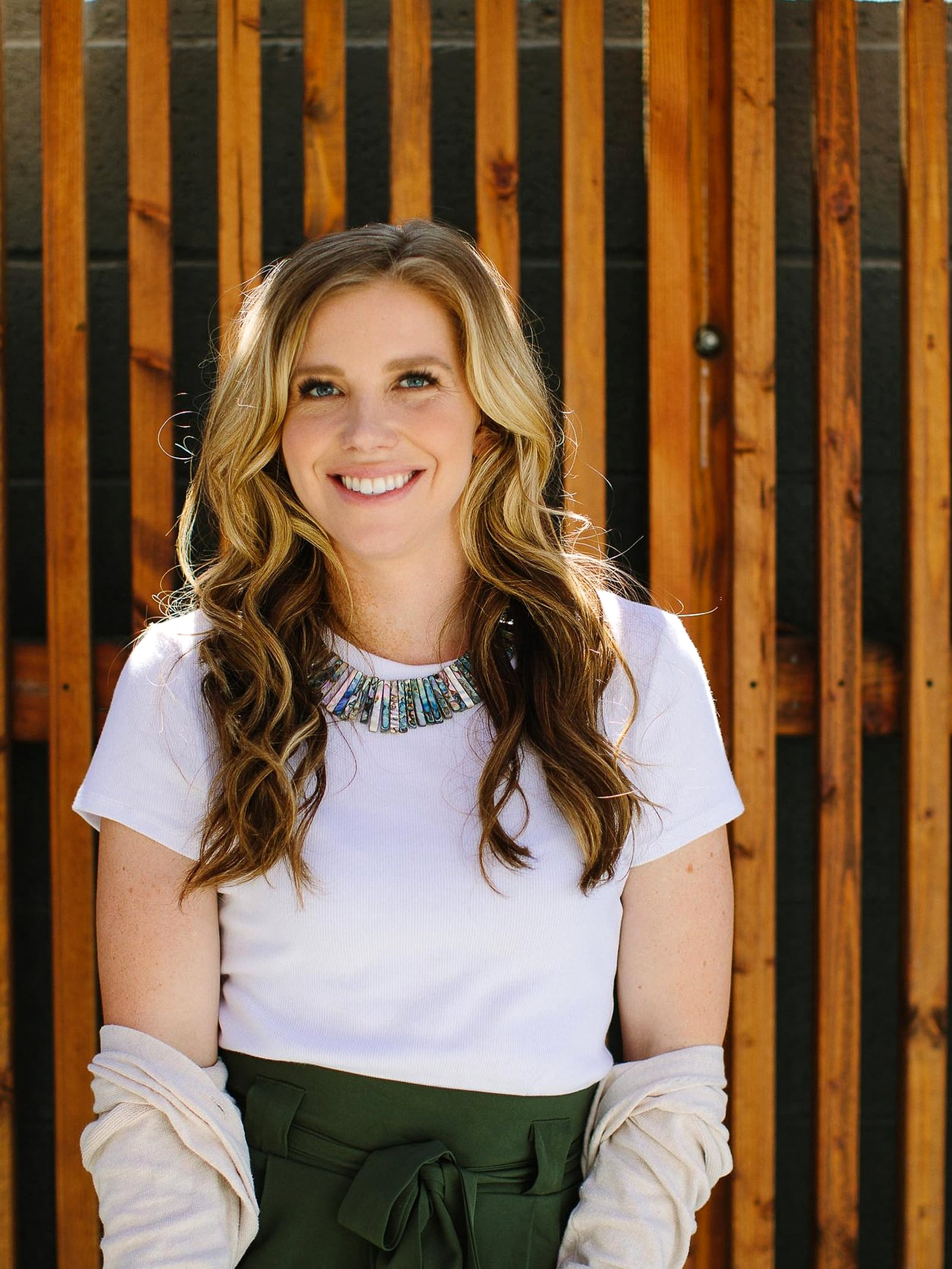
Christina Mathieson, LMFT #115093
Founder and lead clinician, My Mental Climb
Christina is a licensed marriage and family therapist in California, Gottman Method Level 2 trained, with comprehensive sex therapy training from the Buehler Institute. She has been quoted on therapy cost, couples therapy, and sexuality by Men's Health, Scary Mommy, The Wellness Society, Evie Magazine, and NPR's Embodied. Pricing guidance on this page reflects rates she sees across California private practice, peer networks, and the Walnut Creek/East Bay market in 2026.
Want exact numbers?
Free 15-minute consult. We'll confirm current fees, sliding-scale availability, and the cleanest insurance path for your situation, before any commitment.
Book a Free Consult