Sex Therapy · San Francisco
Sex therapy
for San Francisco.
It used to be part of the relationship. Now it's another thing on the list nobody has time to get to. You love each other. The sex has gone quiet, or painful, or mismatched between you, and the idea of making time to talk about it feels like one more appointment. We work with San Francisco couples and individuals via secure telehealth.
Comprehensive sex therapy with Christina Mathieson, LMFT #115093. Sex therapy and couples work held in the same room, not split between two specialists. LGBTQ+, kink, and ENM affirming.
Who we see in San Francisco
The conversation no one is having.
The San Francisco clients who come to us for sex therapy are usually some version of the same story: it used to feel easy, and now it doesn't, and you're not sure when that changed. The specifics vary: a couple in their late 30s who haven't had sex in a year and stopped knowing how to bring it up, a person in perimenopause whose body is doing things their doctor isn't addressing, a new parent navigating the postpartum cliff, a partner whose stress has quietly dimmed everything, an individual carrying religious shame they've never said out loud.
The thing they almost all have in common: they've been managing this alone, sometimes for years, because there's no obvious place to take it. Your primary care doctor doesn't have time, your friends are also struggling and pretending they're not, and most general therapists either dodge the topic or fumble it. The relief of a room where this is the actual subject, held with clinical care, is the first thing most clients notice. A little awkwardness is normal and expected, and we hold it with you rather than pretending it isn't there.
We work with desire discrepancy, painful sex (dyspareunia, vaginismus, post-surgical or postpartum), arousal and orgasm concerns, sexual trauma recovery, sexual identity exploration, kink and ENM-related questions, sex after illness or medication change, and the slow disappearance of intimacy that no one quite mourned out loud.
How the work goes
Clinical, warm, no taboo.
We start with a sex-therapy-informed intake: your sexual history, what's actually happening now, what you'd want different. The questions are direct (because we're here to do real work, not tiptoe), and you can pace what you share. Couples typically do this together. Individuals come in on their own.
From there, the framework draws from comprehensive sex therapy training (Buehler Institute), informed by Emily Nagoski's work on dual-control desire and Gottman research on intimate connection. For couples, we hold the relational and the sexual together, because the two are almost always doing each other's work whether you notice it or not. For individuals, the focus is on your relationship with your own sexuality, body, and history.
Sessions sometimes include between-session practices (communication exercises, sensate focus, body-mapping), always optional. Most clients see real shifts within 8 to 12 sessions for specific concerns. Deeper work takes longer.
Who you'd work with
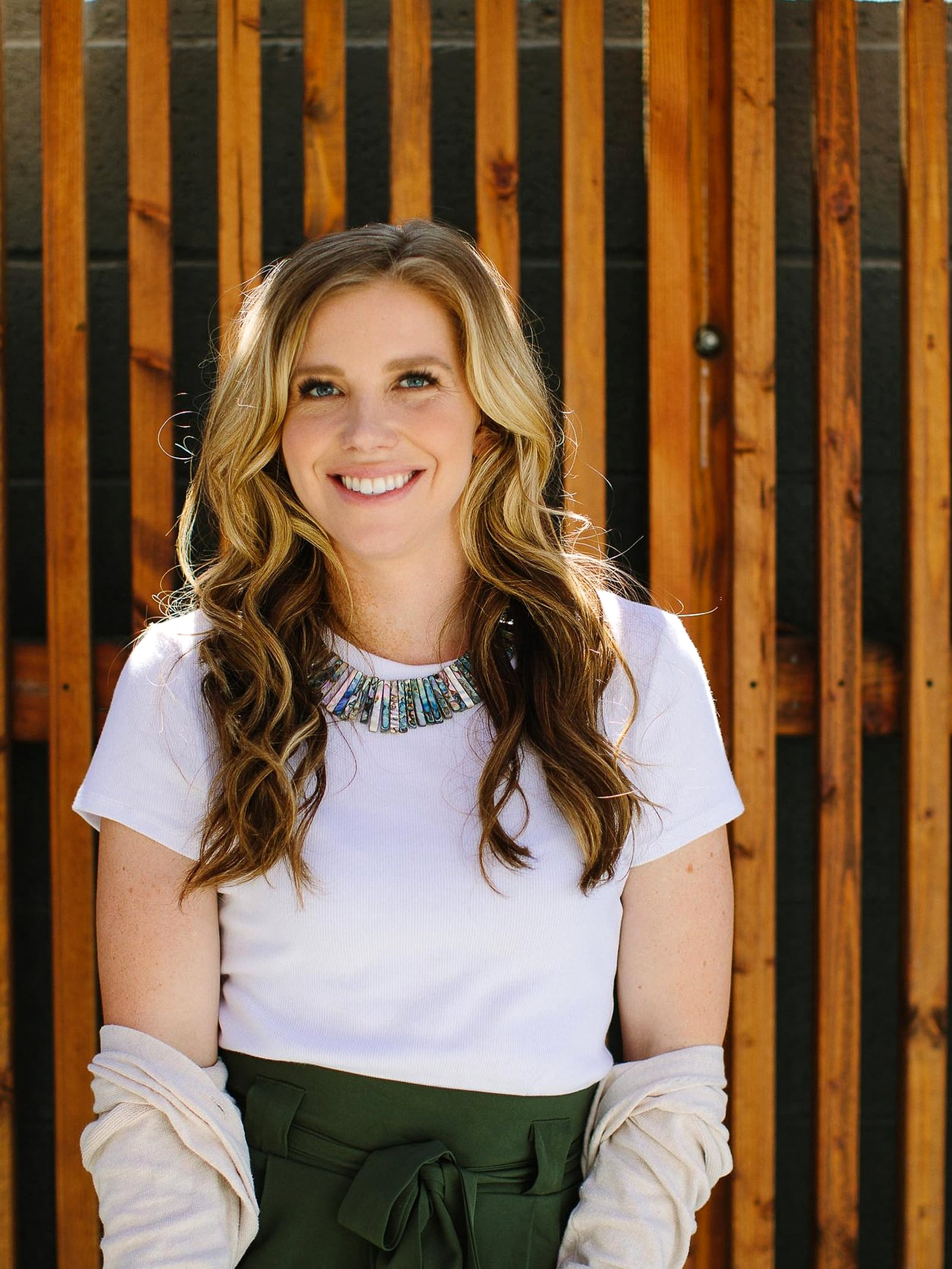
Christina Mathieson leads our sex therapy work.
Licensed Marriage and Family Therapist (LMFT) #115093
Christina holds comprehensive sex therapy training from the Buehler Institute alongside Gottman Method Level 2 and an LGBT-Affirmative Therapy Certificate (AAMFT). She treats sex as a normal, healthy topic, not a taboo. Telehealth across California for San Francisco clients.
Read Christina's full bioFAQ
Common questions about sex therapy.
What actually happens in a sex therapy session?
+
Sex therapy is talk-based, like any other therapy. There is no nudity, no physical contact, and no sexual activity in the session. Those are unethical and illegal. What happens is a conversation: you bring what's going on (desire, pain, mismatched libido, shame, an old story your body still tells), and we work it the way we'd work any other clinical issue, with frameworks built specifically for sexuality. Sometimes you'll have between-session experiments (communication exercises, sensate focus practices, journaling) to do at home.
Is sex therapy only for couples?
+
No. About half of sex therapy clients are individuals working through desire shifts, sexual trauma, body image, identity, religious shame, or simply wanting a more honest relationship with their own sexuality. Couples come in for mismatched desire, intimacy that's flattened, painful sex, recovering from infidelity, or rebuilding after a major life shift like postpartum, perimenopause, or a medical event.
Are you LGBTQ+, kink, and non-monogamy affirming?
+
Yes, explicitly. Christina Mathieson, LMFT #115093, holds an LGBT-Affirmative Therapy Certificate (AAMFT) and a Trans Issues Certificate, alongside comprehensive sex therapy training from the Buehler Institute. Michelle Cortez, AMFT #146795 (supervised by Christina Mathieson, LMFT #115093), particularly works with ethical non-monogamy.
Is sex therapy available in person in San Francisco?
+
Sex therapy is offered via secure telehealth across California. The clinicians who specialize in this work on our team don't see San Francisco clients in person. For most clients this works in your favor. Sex therapy is a vulnerable conversation, and being in your own space (rather than a clinical office) often makes it easier to actually get into the real material.
How long does it take to see results?
+
Depends on what we're working on. Specific concerns (a recent change in desire, a couple wanting to communicate better about sex) often shift in 6 to 10 sessions. Layered work like sexual trauma, long-standing shame, or decades-old patterns in a relationship takes longer because there's more to undo. We'll check in about progress regularly.
Should we do couples sex therapy or individual sex therapy first?
+
Depends on what's driving the concern. If the issue is primarily between the two of you (desire mismatch, communication, a specific sexual dynamic the relationship is holding), couples sex therapy usually makes sense to start. If the issue is primarily internal (your relationship with your own body, history, identity, or sexuality), individual sex therapy is often the better first step, even if partnered sex is affected. We'll figure out which is the better starting point during the free consult.
References & further reading
- Come As You Are — Emily Nagoski, PhD — Emily Nagoski, PhD
- Come Together — Emily Nagoski, PhD (long-term partnerships) — Emily Nagoski, PhD
- When Sex Hurts — Andrew Goldstein, MD — Andrew Goldstein, MD
- AASECT — American Association of Sexuality Educators, Counselors and Therapists — AASECT
- The Penis Book — Aaron Spitz, MD — Aaron Spitz, MD
- Sexual Intelligence — Marty Klein, PhD — Marty Klein, PhD

Ready to actually have the conversation?
Free 15-minute call. We'll figure out what you're working on, whether sex therapy is the right starting point, and who on the team is the best fit.
Book a Free Consult