
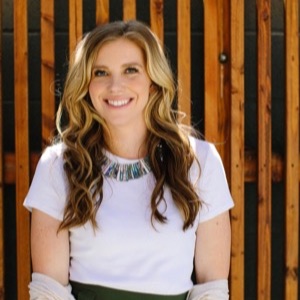
By Christina Mathieson, founder of My Mental Climb and an LGBTQ+ affirmative therapist.
TL;DR. Disenfranchised grief is loss the world doesn't acknowledge, mourn, or support. A lot of queer grief lives there: a partner you grieved as a "friend," a chosen-family member no one counts as family, the family that pulled away when you came out, and the ongoing ache of people who are still in your life and still don't fully see you. This is about those losses, and what helps you carry them.
You can be grieving something enormous while everyone around you acts like nothing happened. No card, no time off, no casserole on the porch. If you have felt that specific loneliness, where the loss is huge to you and invisible to everyone else, this is for you.
There is a name for it. In 1989 the grief researcher Kenneth Doka called it disenfranchised grief: grief you feel when a loss can't be openly acknowledged, publicly mourned, or socially supported. He described a few ways it happens, including when the relationship itself goes unrecognized, when the loss isn't treated as a big deal, and when the death carries stigma. Queer people often live several of these at once.
The partner you grieved as a "friend"
Maybe you lost a partner and grieved them as a "friend," because that is who the people around you believed they were. You went back to a workplace where no one knew you had a partner at all. You sat at a funeral your partner's family organized and were introduced as a roommate.
Losing a partner is devastating for anyone. In one national study, about two-thirds of people who lost a same-gender partner screened positive for complicated grief within the first year, close to the rate for people who lost a different-gender partner (Timmins et al., Psychological Medicine). The grief itself is severe across the board. For queer people the research points somewhere else: the loss is just as heavy, and far less recognized. A 2026 scoping review of LGBTIQ+ partner bereavement found relational invisibility and disenfranchised grief running through the studies, along with the particular weight of a relationship no one else saw.
The family you chose
Maybe the person you lost was chosen family, one of the people who actually showed up for you, sometimes after the family you were born into didn't. Chosen family is family, and losing one of them is a bereavement like any other, even if your relatives and the bereavement policy at your job don't see it that way. There is no time off for the friend who parented you when your own parents wouldn't. Research on LGBTQ+ bereavement names chosen family as central both to how queer people grieve and to how easily that grief gets missed by systems built around blood ties.
The people who are still right there
Some of the heaviest grief isn't about anyone leaving. It's about the people who are still right there, at the holiday table, on the other end of the phone, and the slow understanding that they don't really see you. It's the parent who says they love you and, in the next breath, says they "just worry about your lifestyle." The sibling who keeps stumbling over your pronouns and doesn't seem to be trying. The family whose politics treat your marriage, or your right to live as yourself, as an open question, so that every election and every holiday reopens the same ache.
You are not estranged from these people. They are in your life, they would tell you they love you, and you are still grieving the closeness you don't have with the ones whose acceptance would have meant the most. It can feel disloyal, even dramatic, to grieve someone who is sitting right across the table, and it is a loss all the same. You are grieving the relationship you should have been able to have with them, and a version of being loved by them that you keep hoping is on its way and that keeps not quite arriving.
The family that pulled away
And sometimes the loss is the family that stepped back entirely after you came out. This grief has no death in it, which is exactly what makes it strange to carry. The people are alive, the door is sometimes half open, so the grief never reaches the ending that would let it settle. Part of carrying it is grieving honestly, and part is reclaiming the pieces of yourself you learned to tuck away to stay safe, which is the ground Sand C. Chang covers in the queer and trans IFS workbook All Parts Welcome, one of the books on our free resources shelf.
Why it gets stuck
There is a reason this kind of grief lingers. Minority-stress research has started looking at bereavement directly, and it finds that social position shapes the whole bereavement experience. When you already carry the daily weight of being othered, and then a loss arrives that no one recognizes, the two stack on each other. You grieve the person, and you grieve without much company, and you often end up managing everyone else's discomfort on top of your own. Grief moves when it gets air and acknowledgment, and this kind rarely gets either.
What actually helps
You don't heal grief by getting through it faster. It is something you carry, and good support does not try to rush you. What helps first is having your loss recognized by someone who understands the world it happened in. Megan Devine, in It's OK That You're Not OK, makes the case that grief wants to be witnessed and carried, not corrected, and her writing has become a home for people whose losses got minimized. Richard Coles, in his memoir "The Madness of Grief," writes about losing his partner David with a candor that queer readers in particular tend to recognize themselves in.
Affirming grief therapy holds the context of all of this, and still stays curious about your particular loss instead of assuming the category explains you. Your partner, your chosen family, the relatives who are present but distant, the family you did or didn't get, those are yours to describe, and a good therapist treats the first sessions as you teaching them what you lost and why it mattered.
At My Mental Climb, Christina Mathieson holds an LGBT-Affirmative Psychotherapy Certificate (AAMFT-CA) and works with the losses that don't get a funeral. If you are carrying a grief the people around you don't seem to see, a free 15-minute consult with our intake coordinator, who will match you with the right fit on our team, is a low-pressure place to start. We work through secure telehealth across California, including LGBTQ+ affirmative therapy and grief and trauma work.
Common questions
- What is disenfranchised grief?
- Disenfranchised grief is grief over a loss that isn't openly acknowledged, publicly mourned, or socially supported. The term comes from grief researcher Kenneth Doka, who described how a loss becomes disenfranchised when the relationship goes unrecognized, the loss isn't seen as significant, or the death is stigmatized. Much of the grief queer people carry falls into these categories, which is part of why it so often goes unseen.
- Can you grieve family who are still alive?
- Yes, and it is one of the most common forms of grief queer people carry. You can grieve a parent or sibling who is still in your life when the relationship offers love but not full acceptance, or one who pulled away after you came out. This is a form of ambiguous loss, where the person is present or reachable but the closeness you needed is missing, which makes the grief harder to resolve because there is no clear ending. It counts as grief, and letting yourself feel it is usually where relief starts.
- Why is losing a chosen-family member so hard when others don't understand?
- Losing a chosen-family member is hard both because the loss is genuine and because the people around you may not treat it as one. Chosen family often provides the belonging and care that biological family didn't, so the bond can be as central as any blood tie. When workplaces, relatives, and even bereavement policies don't recognize that relationship, you end up grieving the person and grieving without support at the same time.
- How is LGBTQ+ grief therapy different?
- LGBTQ+ affirmative grief therapy differs by recognizing losses that other settings overlook and by understanding the context those losses happened in. An affirming therapist treats a chosen-family death, a closeted relationship, or family estrangement as bereavement in its own right, and holds the minority-stress backdrop without assuming it explains everything about you. The aim is not to move through grief on a schedule but to have it witnessed and supported by someone who sees the whole picture.
Tagged
Last clinically reviewed: by Christina Mathieson, LMFT.