Couples Therapy · Lafayette + Orinda
Couples therapy
for Lafayette + Orinda.
You've been together long enough that the last real conversation you had wasn't logistical. Or at least you think it wasn't, but you can't remember when that was. The connection is still there. You can feel it under the quiet. You just don't know how to reach for it right now.
Evidence-based couples work for Lafayette, Orinda, and the 680 corridor. We use the Gottman Method, Emotionally Focused Therapy, and attachment-based work. Telehealth across California, plus in-person with Tina Masoudi, AMFT #155851 (supervised by Christina Mathieson, LMFT #115093), at our nearby Walnut Creek office.
Who we see in Lafayette + Orinda
The quiet middle.
The Lafayette and Orinda couples who find us share a common pattern. Two people with full lives: jobs, kids, aging parents, the house, the schedule-juggling that runs the 680 corridor. The relationship that used to feel like the steady ground underneath all of it has gotten quieter over time.
The fights, when they happen, are about dishes, or scheduling, or money. The thing underneath is usually that neither of you has had enough time, attention, or energy to turn toward each other in a way that actually lands.
We work with couples across Lafayette, Orinda, Moraga, Alamo, Saranap, and the surrounding 680 corridor, and anywhere else in California via telehealth.
How the work goes
Structured, not vague.
We start with a full intake: the story of the relationship, what's happening now, what each of you most wants from the work. Some couples do this together. Others start with a brief individual session each so we can hear both sides without interruption.
From there, the backbone is the Gottman Method. Structured tools for conflict, friendship, and intimacy, based on 40+ years of research on what actually predicts relationship outcomes. We integrate Emotionally Focused Therapy (EFT) to work the emotional pattern underneath the content of your fights, and sex therapy when desire, pleasure, or intimacy is part of what needs attention.
Most 680-corridor couples we see meet weekly for the first stretch, then taper as things settle. Telehealth is the default, and it's easier for getting both people on the calendar. In-person is available at our Walnut Creek office when it's the right call.
Who you'd work with
The team for 680-corridor couples.
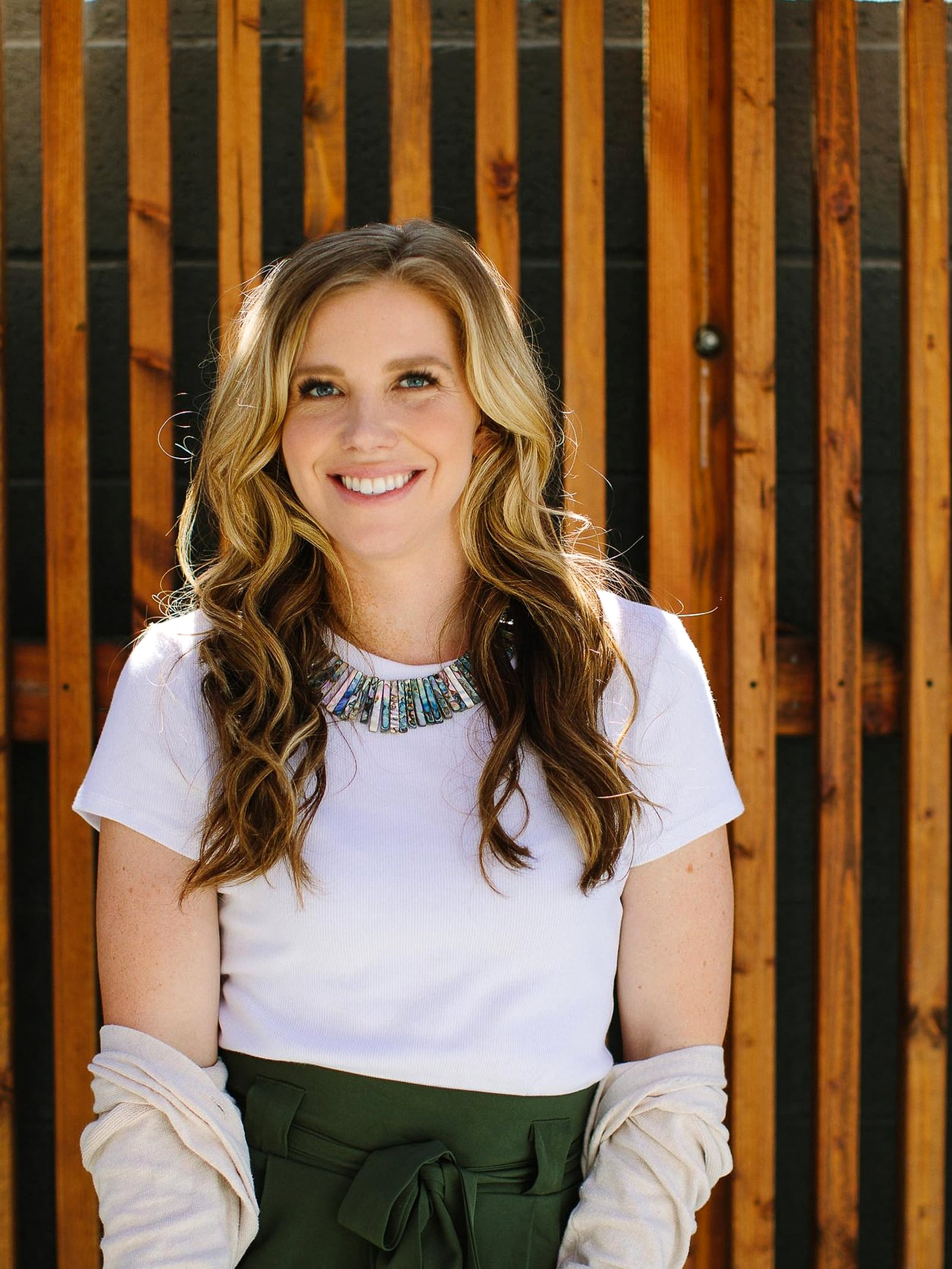
Christina Mathieson
Licensed Marriage and Family Therapist (LMFT) #115093
Founder and lead clinician. Gottman Method Level 2 trained, with comprehensive sex therapy training from the Buehler Institute. Couples work and sexual connection get held in the same room, not split between two specialists. Telehealth across California.
Read Christina's full bio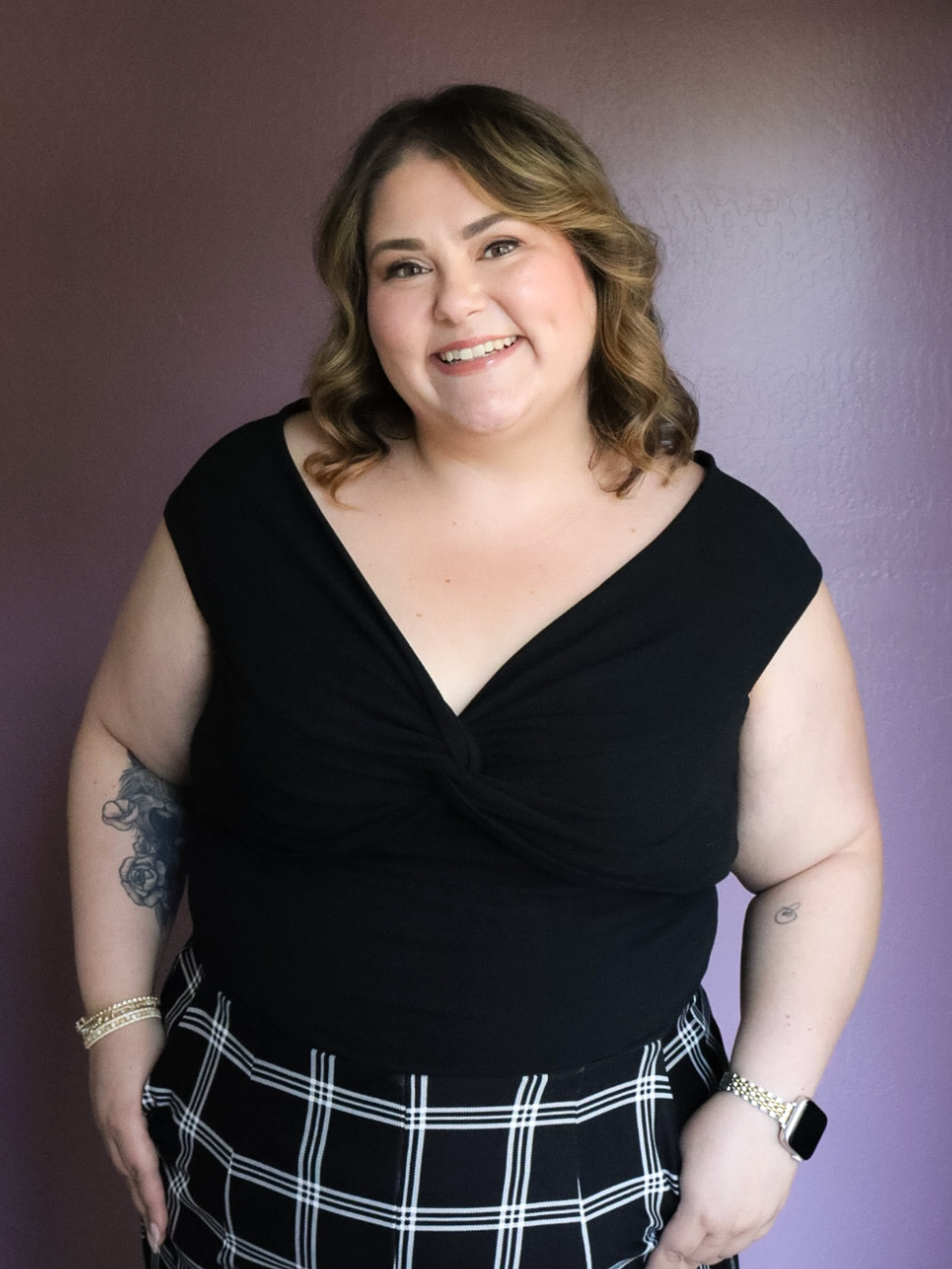
Tina Masoudi
Registered Associate Marriage and Family Therapist (AMFT) #155851
Registered Associate Professional Clinical Counselor (APCC) #19568
Supervised by Christina Mathieson, LMFT #115093
Tina is the clinician on our team who offers in-person couples sessions at our Walnut Creek office, a short drive from most of Lafayette, Orinda, Moraga, and Alamo. By client request or clinical recommendation. Integrative, trauma-informed, faith-integrated on request.
Read Tina's full bioFAQ
Common questions from 680-corridor couples.
Is couples therapy available in person for Lafayette or Orinda clients?
+
Yes. In-person couples sessions are available with Tina Masoudi, AMFT #155851 (supervised by Christina Mathieson, LMFT #115093), at our Walnut Creek office (1460 Maria Ln, Suite 300). That's a short drive from most of Lafayette, Orinda, Moraga, and Alamo. Telehealth is the default across the rest of our team and works just as well for couples. Most 680-corridor couples we see choose video sessions to fit around commutes and childcare.
How long does couples therapy take?
+
Honest answer: most couples we see start to feel something shift within four or five sessions. Not 'we're fixed,' but 'oh, that's what's happening between us.' Real change tends to land somewhere between session 8 and 12. If you're carrying a betrayal or years of disconnection, give it longer. If nothing's moving by week six, we'll say so out loud.
We tried couples therapy before and it didn't work. Why try again?
+
Two things usually go sideways the first time around. Either the therapist isn't trained in a structured couples model (a lot of generalists do supportive listening, not couples work), or the fit was off. Our couples lead, Christina Mathieson, LMFT #115093, is Gottman Method Level 2 trained. That's a structured framework with 40+ years of research behind it on what actually predicts whether couples make it. The free consult exists so you can sense fit before booking real sessions.
Do you work with LGBTQ+, non-monogamous, or kink-involved couples?
+
Yes, affirmingly. No teaching required. The work follows the same evidence-based frameworks; your relationship structure is held as something we can work with. Michelle Cortez, AMFT #146795 (supervised by Christina Mathieson, LMFT #115093), particularly specializes in ethical non-monogamy and attachment work across configurations.
What if my partner won't come?
+
You can still do meaningful relationship work in individual therapy. Many clients start there, shifting their own patterns and getting clearer about what they want, and the partner often joins later. Sometimes the work is about deciding whether to stay. Either way, you don't need both partners on board to begin.
References & further reading
- Gottman Method — research overview — The Gottman Institute
- Brené Brown on Empathy (RSA Short) — Brené Brown / RSA
- Brené Brown on Blame (RSA Short) — Brené Brown / RSA
- Come Together — Emily Nagoski, PhD — Emily Nagoski, PhD
Ready to find each other again?
Free 15-minute call. We'll figure out if we're the right fit, talk through telehealth or in-person with Tina, and match you with the right person on our team.
Book a Free Consult