Couples Therapist · Walnut Creek
Couples therapist
for Walnut Creek.
You used to be a team. Somewhere between the second kid, the second startup job, and the second pandemic, you stopped feeling like one. You're not fighting more, you just aren't really finding each other anymore. We're the couples therapist Walnut Creek partners reach for when that pattern needs naming, and there's a way back.
Evidence-based couples work for partners along the 680 corridor. Gottman Method, Emotionally Focused Therapy, and attachment-based work with a licensed marriage and family therapist. Telehealth across California.
Who we see in Walnut Creek
The pattern, named.
Here's the pattern we see again and again in Walnut Creek: two people who love each other, doing everything right on paper (kids, careers, the house in Parkmead or up in Northgate), and neither of you has had a conversation that wasn't logistical in eight months. One of you misses the other, the other misses being missed, and neither of you knows how to say that without it turning into the same fight about the dishwasher.
It's not unusual. In a town where everyone is running 110%, the relationship is usually the first thing that gets underfunded without anyone making a decision about it. The promotion got attention, the kids got attention, the remodel got attention. The two of you got whatever was left, which most weeks was nothing.
The relief, when couples sit down in a session and finally let the shoulders drop, is one of the most consistent things we see in this work. Not because anything is fixed yet, but because someone is finally paying attention to the us of it.
We work with couples throughout Contra Costa County and the wider East Bay by secure video: Walnut Creek, Lafayette, Orinda, Pleasant Hill, Concord, Alamo, and Danville. Telehealth couples therapy produces outcomes comparable to in-person work, and meeting by video is what makes getting both people in the same room every week realistic around commutes, childcare, and two different schedules.
How the work goes
Structured, not vague.
We start with a full intake: the story of the relationship, what's happening now, what each of you most wants from the work. Some couples do this together. Others start with a brief individual session each so we can hear both sides without interruption.
From there, the backbone is the Gottman Method. Structured tools for conflict, friendship, and intimacy, based on 40+ years of research on what actually predicts relationship outcomes. We integrate Emotionally Focused Therapy (EFT) to work the emotional pattern underneath the content of your fights (the pursue/withdraw cycle, the protect/protest dance). Sex therapy comes in when desire, pleasure, or intimacy is part of what needs attention.
Most Walnut Creek couples we see meet weekly for the first stretch, then taper as things settle. Telehealth is the default — it's easier for getting both people on the calendar.
Who you'd work with
The team for Walnut Creek couples.
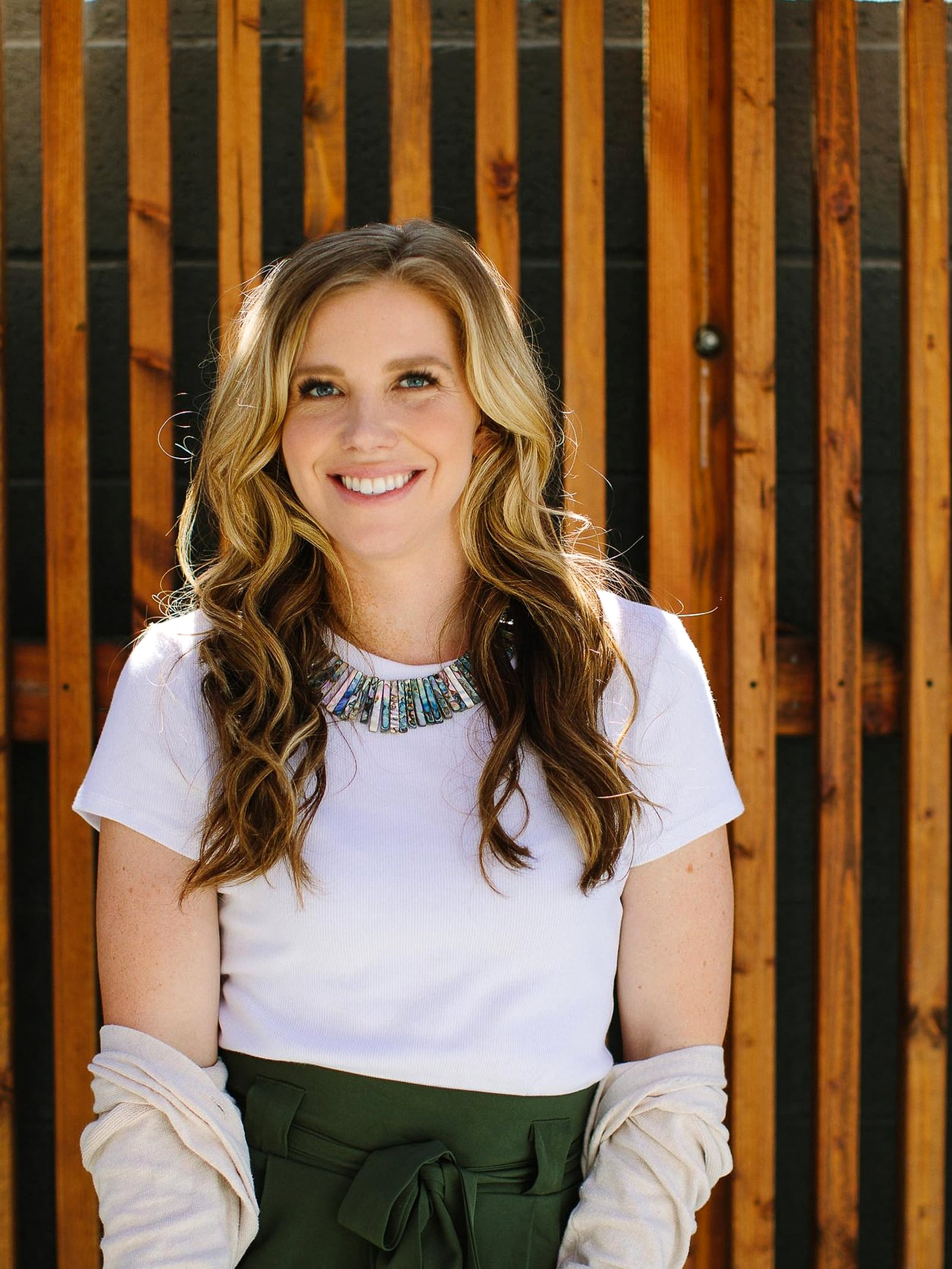
Christina Mathieson
Licensed Marriage and Family Therapist (LMFT) #115093
Leads our Gottman Method couples work. Gottman Method Level 2 trained, with comprehensive sex therapy training from the Buehler Institute, so couples work and sexual connection get held in the same room rather than split between two specialists.
Full bio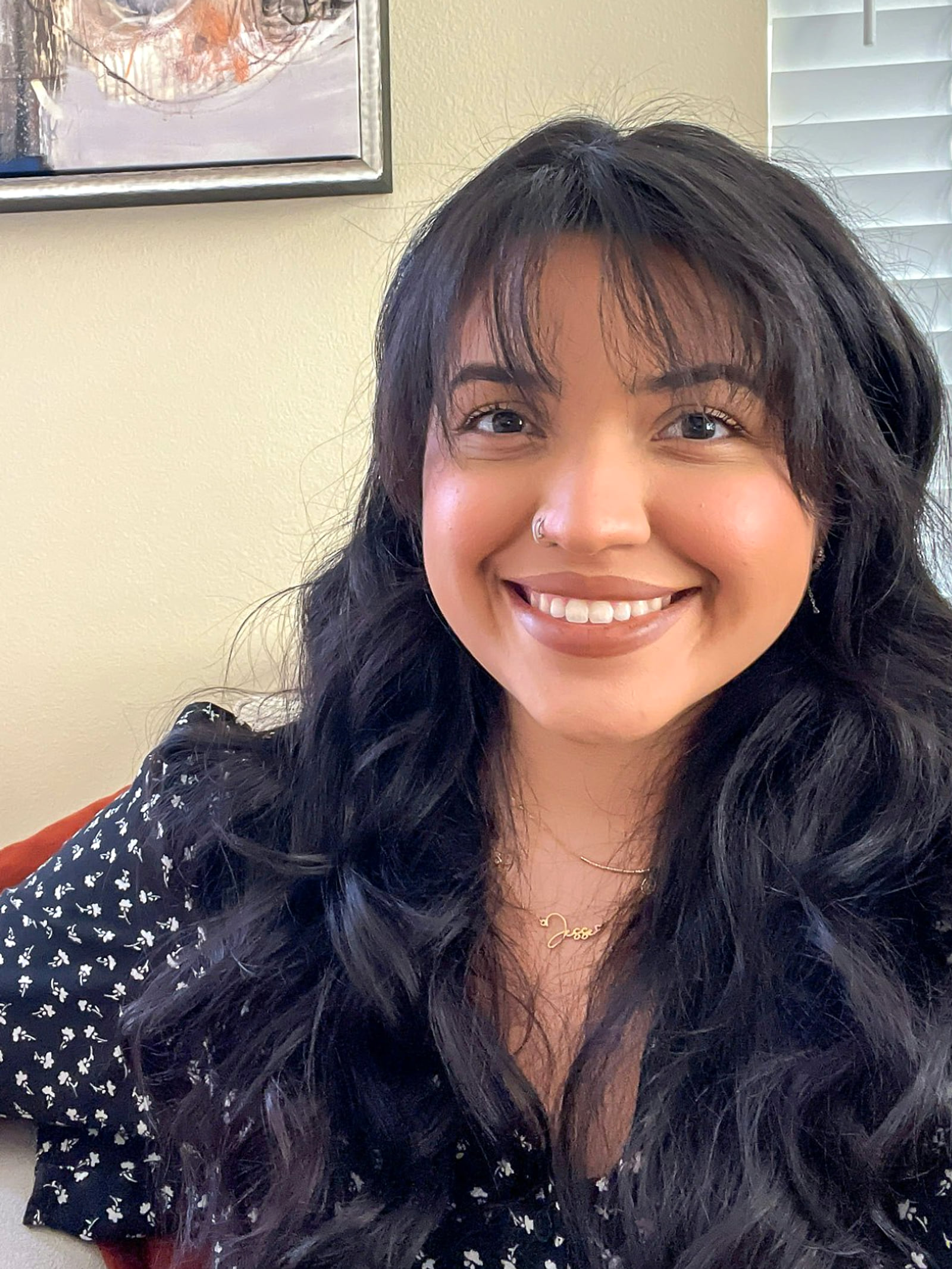
Michelle Cortez
Registered Associate Marriage and Family Therapist (AMFT) #146795
Supervised by Christina Mathieson, LMFT #115093
Leads our EFT-informed and attachment-based couples work. Trained in Emotionally Focused Therapy and the attachment-injury cycle, with particular fluency in ethical non-monogamy, polyamory, and kink-affirming care across relationship configurations.
Full bioFAQ
Common questions from Walnut Creek couples.
Is couples therapy available in person in Walnut Creek?
+
Our practice is telehealth-first. All clinicians on our team see couples via secure video across California. Most Walnut Creek and 680-corridor couples we see choose video sessions to fit around commutes and childcare, and the research is clear: telehealth couples therapy produces outcomes comparable to in-person.
How long does couples therapy take?
+
Honest answer: timelines vary. Some couples experience progress or relief in the first few sessions, often from the relief of finally getting help and beginning to take action together. Not 'we're fixed,' but 'oh, that's what's happening between us.' Deeper, longer-term change typically unfolds over a few months of consistent work, and longer if you're carrying a betrayal or years of disconnection. If it ever feels like we're plateauing, we'll talk about it openly so we can adjust the approach. We don't sit in stuck.
We tried couples therapy before and it didn't work. Why try again?
+
Two things usually go sideways the first time around. Either the therapist isn't trained in a structured couples model (a lot of generalists do supportive listening, not couples work), or the fit was off. Our couples lead, Christina Mathieson, LMFT #115093, is Gottman Method Level 2 trained. That's a structured framework with 40+ years of research behind it on what actually predicts whether couples make it. The free consult exists so you can sense fit before booking real sessions.
Do you work with LGBTQ+, non-monogamous, or kink-involved couples?
+
Yes, affirmingly. No teaching required and no translation needed. The work follows the same evidence-based frameworks; your relationship structure is held as part of who you are, not something to fix. Michelle Cortez, AMFT #146795 (supervised by Christina Mathieson, LMFT #115093), particularly specializes in ethical non-monogamy and attachment work across configurations.
What if my partner won't come?
+
You can still do meaningful relationship work in individual therapy. Many clients start there, shifting their own patterns and getting clearer about what they want, and the partner often joins later. Sometimes the work is about deciding whether to stay. Either way, you don't need both partners on board to begin.
How much does couples therapy cost in Walnut Creek?
+
Couples therapy in Walnut Creek and the East Bay typically runs $175–$350 per session with a licensed couples therapist, with sessions often 75–80 minutes rather than the standard 50. Specialty-trained couples therapists (Gottman Method Level 2, EFT externship, AASECT-certified for sex therapy integration) tend to sit at the upper end of that range. Associate therapists doing supervised couples work usually charge less. We confirm exact rates and insurance options at your free 15-minute consult. For the broader picture, see our page on how much therapy costs in California.
References & further reading
- Gottman Method, research overview, The Gottman Institute
- Brené Brown on Empathy (RSA Short), Brené Brown / RSA
- Brené Brown on Blame (RSA Short), Brené Brown / RSA
- Come Together, Emily Nagoski, PhD, Emily Nagoski, PhD
Ready to talk it through?
Free 15-minute call. We'll figure out if we're the right fit and match you with the right clinician on our team.
Book a Free ConsultWondering about cost? See what couples therapy costs in California.