

For a brain that works differently
ADHD therapy for adults, beyond 'just try harder.'
Reviewed by Christina Mathieson, LMFT #115093 · June 2026
For adults with ADHD (diagnosed or suspected) who want practical tools, better self-understanding, and a therapist who's done the training. Executive function, emotional regulation, rejection sensitive dysphoria (RSD), late-diagnosis grief, and the way ADHD shows up in your relationships. Online across California.
What people often describe:
The gap between meaning to do something and actually doing it has gotten wide enough to interfere with your life
Rejection sensitive dysphoria (RSD): rejection that lands as physical pain, criticism that disregulates the whole day, frustration that escalates faster than the trigger
Decades of 'lazy,' 'flaky,' or 'too much' narratives waiting to be undone
TL;DR
Neurodivergent-affirming therapy for adult ADHD, focused on executive function, emotional regulation, rejection sensitivity, and the late-diagnosis grief that often comes with adult recognition (especially for women). Christina Mathieson, LMFT #115093, holds advanced training in adult ADHD and alternative learners. Angelique St. Jean, AMFT #138223 and APCC #135549 (supervised by Christina), leads our autism-affirming work with adults and supports parents and whole families navigating an ADHD or autism diagnosis; her doctoral research at Loma Linda University is on systemic approaches to families around exceptional diagnoses. Michelle Cortez, AMFT #146795 (supervised by Christina Mathieson, LMFT #115093), works with ADHD and neurodivergent clients through a direct, structured style with explicit accountability and between-session homework, a fit a lot of ADHD clients describe as exactly the scaffolding their previous therapy was missing.
Good fit if
- You struggle with follow-through on things that matter to you, not because you don't care but because your brain loses the thread
- Emotional regulation is harder than it 'should' be: rejection, boredom, and frustration hit intensely
- You've been told (or suspect) you have ADHD and want to work with it instead of against it
- You're late-diagnosed and need to reprocess decades of 'lazy,' 'flaky,' or 'too much' narratives
- Traditional productivity systems have failed you; you need ADHD-aware approaches
Not a fit if
- You need comprehensive psychological testing for diagnosis, we refer to neuropsych for formal evaluation
- You need medication management, we'll refer to a psychiatrist or psychiatric NP
Not sure which column you're in? Book a free consult. If we're not the right fit, we'll help you find someone who is.
What the work looks like
How we actually work together.
We start by understanding how your particular ADHD shows up: focus, executive function, emotional regulation, rejection sensitivity (RSD), time perception, sensory load. ADHD is a spectrum of traits, not a single presentation. (For more on the late-diagnosis pattern, especially in adult women, see Adult ADHD: What Late Diagnosis Actually Looks Like.)
From there, we build practical systems that work WITH your brain, not against it. CBT helps shift self-critical narratives. Behavioral strategies target the specific functional gaps (starting tasks, follow-through, time management). Emotion regulation work addresses rejection sensitivity and impulsivity, and we make room for the grief that often comes with late ADHD diagnosis: what you couldn't name, you couldn't work with.
Three of our clinicians work with ADHD, autism, and neurodivergent clients. Christina Mathieson, LMFT #115093, holds multiple advanced trainings in adult ADHD and alternative learners, and brings a relationship-focused lens to how ADHD and rejection sensitivity show up between partners. Angelique St. Jean, AMFT #138223 and APCC #135549 (supervised by Christina), specializes in autism and in supporting parents and whole families navigating a new ADHD or autism diagnosis. She works systemically with how a diagnosis reshapes roles, expectations, and relationships across the family, and her doctoral research at Loma Linda University focuses on exactly this. She sees clients in English and Spanish. Michelle Cortez, AMFT #146795 (supervised by Christina), also works with ADHD and neurodivergent clients through a direct, structured style with between-session accountability.
Modalities we draw from
 What adult ADHD actually looks like, beyond the childhood prototype
Adult ADHD looks much less like the fidgety-school-age-boy prototype that the diagnostic criteria were originally built around. The broader adult-ADHD literature, summarized in the 2025 World Psychiatry symposium led by Kooij and Cortese and the Faraone et al. 2021 World Federation of ADHD International Consensus Statement, describes adult presentation as typically centering on internal restlessness rather than external hyperactivity, on chronic disorganization rather than visible classroom behavior, and on emotional regulation and executive function components that weren't well represented in the original childhood-based criteria.
The four most common patterns we see in adult clients: executive function gaps that stopped scaling (you can write a 30-page strategy document on a deadline but can't start a five-minute task for weeks), emotional dysregulation (rejection sensitivity, frustration that escalates fast, intensity that surprises you), time blindness (not being able to feel how long things take or how long ago something happened), and [masking](/glossary/#adhd-masking) burnout (the exhaustion of performing neurotypical in meetings, social events, and family dynamics). These rarely come alone; they cluster.
Late-diagnosed ADHD in women has roughly doubled in formal diagnosis rates between 2020 and 2023, and the most defensible reading of that data isn't that women are developing ADHD late in life. It's that the diagnostic system missed them for decades. Many of our female clients arrive having spent years being treated for anxiety, depression, or burnout that turned out to be downstream consequences of unrecognized ADHD. The grief that comes with that recognition is part of the work. (Our piece on Adult ADHD: What Late Diagnosis Actually Looks Like goes deeper into the late-diagnosis pattern specifically.)
Rejection-sensitive dysphoria (RSD) is the symptom most adult clients describe as the hardest part of their ADHD, even though it's not in the formal diagnostic criteria. The intense, often physically-painful response to perceived criticism, rejection, or failure shapes a lot of life downstream: the avoidance of risk, the over-preparation that prevents failure, the perfectionism, the relational reactivity. (See Rejection Sensitivity in ADHD Relationships for how this plays out specifically in couples.)
What ADHD therapy actually does in the room
ADHD therapy isn't coaching, though we get asked regularly. Coaching focuses on goal-achievement and skill-building. ADHD therapy works on the same skill layer but also addresses the emotional, relational, and identity work that ADHD has shaped over years or decades. Both can be useful, and some clients use both in parallel. The American Professional Society of ADHD and Related Disorders (APSARD) US adult ADHD guidelines initiative treats psychotherapy as a core component of adult ADHD treatment alongside medication and behavioral systems work.
The skill layer. CBT adapted for adult ADHD is among the most-studied psychological interventions for the condition, with multiple RCTs (Safren et al. 2010, JAMA; Knouse & Safren 2010, Psychiatric Clinics of North America) showing reductions in functional impairment in adults. The work targets executive function gaps directly: task initiation, follow-through, planning, organization, time perception, and the cognitive distortions that ADHD often produces (catastrophizing about delayed tasks, all-or-nothing thinking about productivity, the global self-judgments that come from years of missed expectations).
The emotional layer. This is where ADHD therapy diverges most from coaching. Years of being seen as 'lazy,' 'flaky,' or 'too much' produce real internalized self-narratives that don't shift just by adding better systems. The work involves naming where those narratives came from, separating the ADHD from the character judgments that got attached to it, and grieving what was missed (the diagnosis that didn't come until your 30s or 40s, the support you didn't get, the ways you compensated). For many late-diagnosed clients, this emotional reprocessing is where the most lasting change happens.
The systems layer. Practical tools that work *with* your brain instead of against it. This is rarely 'use this productivity app.' It's more often about identifying the specific points of breakdown (the email that doesn't get answered, the bill that goes unpaid, the call that doesn't get returned) and building friction-aware workarounds. Body doubling, externalization of executive function, ADHD-specific time-management strategies, and reduction of decision load are common interventions.
The relational layer. ADHD shows up in relationships in specific ways: missed appointments that read as not caring, hyperfocus that reads as preferential attention, RSD that escalates conflict in ways that surprise both partners, the imbalance of household management when one partner has executive function challenges. We work with these dynamics directly, sometimes in individual therapy and sometimes in couples work depending on what's most live.
Medication, formal diagnosis, and working with your prescriber
We don't prescribe medication and we don't formally diagnose ADHD. Both have specific paths and we'll point you toward them when relevant. For medication, the prescriber options are a psychiatrist, a psychiatric nurse practitioner, or in some cases your primary care physician (though PCPs are often working with 15-minute visits and limited training; a psychiatric specialist is usually a better fit for adult ADHD specifically).
Medication. Stimulants (methylphenidate-class like Ritalin and Concerta, or amphetamine-class like Adderall and Vyvanse) remain first-line for adult ADHD, with effect sizes substantially larger than for any non-stimulant alternative. Non-stimulant options (Strattera, Wellbutrin, guanfacine) exist for clients who don't tolerate stimulants or who have contraindications. About 70 percent of adults who try stimulants report meaningful symptom reduction; about 30 percent don't tolerate them or don't respond. Most prescribers recommend a structured trial of one or two medications before concluding what fits.
Formal diagnosis. A clean adult ADHD diagnosis typically requires structured evaluation, collateral history (when possible, from someone who knew you in childhood), and rule-out of medical and psychiatric conditions that mimic ADHD presentation: thyroid dysfunction, sleep apnea, unprocessed trauma, perimenopausal cognitive change, and severe anxiety or depression. The APSARD 2025 guidelines are explicit about this rule-out being part of competent diagnosis. Neuropsychological testing provides the most comprehensive evaluation but typically costs $2,000 to $5,000 out of pocket; psychiatric evaluation is faster and often insurance-covered.
Working with your prescriber. When a release is signed and it would benefit the work, we can coordinate with your prescriber directly, sharing what's relevant from session and being available for questions about how you're doing across modalities. We don't make medication decisions; that's between you and your prescriber. The therapy and the medication aren't separate tracks; they're parts of the same treatment plan.
Autism in adults, and when a diagnosis arrives in your family
For years you may have wondered why an ordinary day leaves you needing to lie down in a dark room, why small talk costs you more than it seems to cost anyone else, and why you have three or four foods you want to eat and the rest sit somewhere between 'no' and 'not now.' You have probably been in therapy for anxiety, depression, or burnout, and the treatment helped a little but never fully explained what was going on. Lately the word autism has started to fit.
Autism is a spectrum of ways brains are wired, and autism-affirming therapy stays curious about how your particular version shows up instead of trying to normalize it. The CDC's most recent surveillance data puts autism prevalence at about 1 in 36 children in the United States, a substantial increase from previous decades that mostly reflects better recognition rather than a true rise in incidence. Adult diagnosis is climbing the same curve, with women and people of color finally being recognized after decades of being missed by criteria that were built around a childhood, male prototype.
Adult autism rarely looks like that prototype. Common features that go missed for years: sensory sensitivities you chalked up to preference (fluorescent lights, background music, seams in socks, food textures other people do not notice); focused interests other people called obsessive because they did not share them; social scripts that came naturally to everyone else and never fit you the same way; needing more downtime than the rest of your life makes room for, especially after high-stimulation days; difficulty knowing what your body is telling you until it becomes urgent (hunger, tiredness, needing the bathroom, being too hot or too cold); and communication styles that got read as blunt or too literal when you were being clear.
For most clients, late recognition arrives as relief and grief at once. The relief comes with finally having an explanation for what has always felt like too much effort for too little return. The grief is for the support you did not get, the therapies that treated the wrong thing, and the years you spent shaping yourself to be palatable. Both belong in the first stretch of therapy.
Autism-affirming therapy focuses on how your wiring shows up and what fits it. In practice, that looks like: unlearning the reflex to mask when it is safe not to; building sensory accommodations into your routines so recovery is not always retroactive; understanding autistic burnout as its own pattern and knowing when you are in it; translating between your communication style and the people in your life who do not share it; working with executive function in an autism-specific way (the difficulty tends to be about transitions, initiation, and the friction of unstructured time more than about attention itself); making sense of interoception so hunger, tiredness, and overwhelm register before they hit crisis; and processing what late recognition brings up about identity. When anxiety or depression is layered on top (which it often is for adults who spent years compensating without knowing why), that work integrates directly rather than getting treated separately.
The picture usually involves more than one person. When a diagnosis arrives in your family, whether it is your child, your partner, your parent, or yourself, the whole system reorganizes. Roles that had been unspoken come into the open, and expectations shift. Parents often carry a grief that stays private (for the version of family life they had imagined) alongside the demands of school advocacy, therapy coordination, and medical appointments that were never in the schedule. Partners of newly-diagnosed adults are working out what the diagnosis explains, what changes, and what does not.
Angelique St. Jean, AMFT #138223 and APCC #135549 (supervised by Christina Mathieson, LMFT #115093), leads our autism-affirming work with adults and our family-diagnosis work. When individual autism-affirming therapy is the right fit, she works one-on-one with adult clients or couples on masking recovery, sensory and executive function support, autistic burnout, and everything late recognition brings up about identity. Her doctoral research at Loma Linda University focuses on systemic approaches to families navigating exceptional diagnoses. Sessions are available in English and Spanish.
Take-home handouts
Tools to practice between sessions.
Free, printable worksheets that pair with this work, the same material we use in the room.

Wondering if we're the right fit for what you're working on?
Free 15-minute call. We'll figure out together if we're the right starting point.
Book a Free ConsultWondering about cost? See what therapy costs in California.
Who on our team does this work
3 therapists who specialize here.
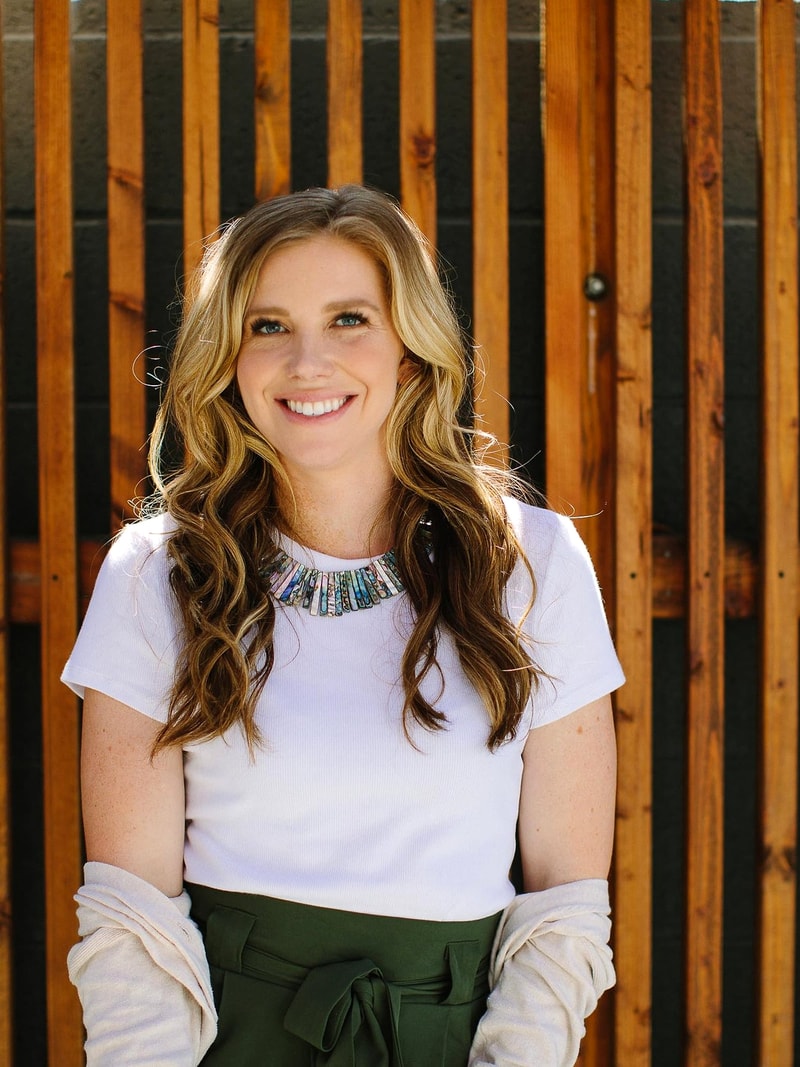
Christina Mathieson
Licensed Marriage and Family Therapist (LMFT) #115093
Human sexuality, couples work, ADHD and neurodiversity-affirming therapy, and affirming care for individuals navigating relationships, identity, and life transitions.
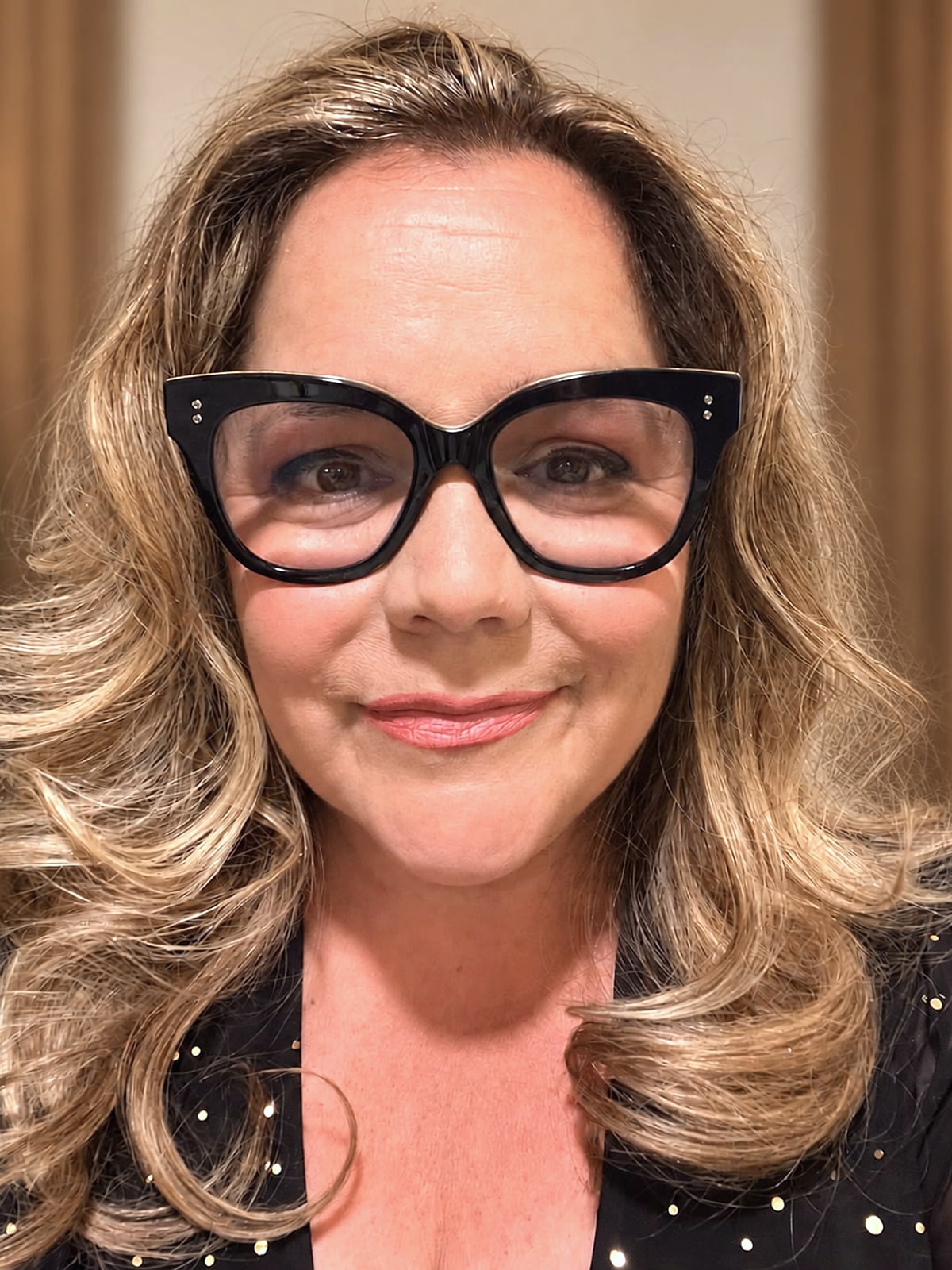
Angelique St. Jean
Registered Associate Marriage and Family Therapist (AMFT) #138223
Registered Associate Professional Clinical Counselor (APCC) #135549
Supervised by Christina Mathieson, LMFT #115093
Couples, families, and individuals navigating relationships, neurodivergence, infertility, trauma, and big life transitions. I bring a relational, strengths-based, family-systems lens, in English or Spanish.

Michelle Cortez
Registered Associate Marriage and Family Therapist (AMFT) #146795
Supervised by Christina Mathieson, LMFT #115093
If therapy has felt too slow or too surface-level, that is exactly what I work against. Couples stuck in attachment patterns, anxiety and OCD, and neurodivergent clients who need structure and real feedback.
FAQ
Common questions about adhd and neurodiversity-affirming therapy.
Do you work with autism, or with families navigating a new ADHD or autism diagnosis?
+
Yes. [Angelique St. Jean](/therapists/angelique-st-jean/), AMFT #138223 and APCC #135549 (supervised by Christina Mathieson, LMFT #115093), specializes in autism and neurodiversity and in supporting parents and whole families after a new ADHD or autism diagnosis. She works systemically, looking at how a diagnosis reshapes roles, expectations, and relationships across the family rather than treating one person in isolation. Her doctoral research at Loma Linda University focuses on systemic approaches to families navigating autism and other exceptional diagnoses. Sessions are available in English and Spanish.
Do I need a formal autism diagnosis to work with you?
+
No. Many adult clients arrive suspecting they may be autistic (sometimes after years of anxiety or depression treatment that never quite fit) and want to explore that possibility in therapy. We can work with self-identified autism and neurodivergence. If you want a formal diagnosis for accommodations, medication decisions, or your own clarity, we can point you toward autism-specialist evaluators who work with adults. Autism-affirming therapy focuses on how your wiring shows up and what fits it, whether or not you meet a specific diagnostic threshold.
What is rejection sensitive dysphoria (RSD) in ADHD?
+
Rejection sensitive dysphoria (RSD) is the intense, often physically painful response to perceived rejection, criticism, or failure that many adults with ADHD experience. It is not in the formal DSM-5 criteria, but most clinicians who work with adult ADHD see it as one of the most disruptive features of the condition. RSD shapes a lot of life downstream: avoiding risk, over-preparing to prevent failure, perfectionism, and quick reactivity in relationships when a partner's tone reads as criticism. RSD is treatable. Therapy targets it through emotion regulation work, cognitive reframing of the criticism response, and (for many clients) coordination with a prescriber on whether medication helps reduce the intensity.
How does ADHD affect relationships?
+
ADHD shows up in relationships in specific, often misread ways. Missed appointments and forgotten conversations read as not caring, when the real cause is executive function and time blindness. Hyperfocus on a project for hours reads as preferential attention. RSD escalates conflict because a normal complaint feels like total rejection, which triggers a defensive reaction that the partner experiences as disproportionate. The non-ADHD partner often ends up running household logistics, which builds resentment over years. The work in therapy is naming these dynamics directly so they stop reading as character flaws, and building specific systems and communication tools that work with both partners' actual brains. For a deeper read on this pattern, see Rejection Sensitivity in ADHD Relationships and Loving Someone With ADHD on the blog.
Can you diagnose me with ADHD?
+
We can screen and help you understand your experience, but formal diagnosis typically comes from a neuropsychological evaluation or a psychiatrist. If formal diagnosis is important for your path forward (accommodations, medication), we'll refer.
Do you prescribe stimulant medication?
+
No. We're therapists, not prescribers. If medication is something you'd like to explore, we'll refer to a psychiatrist or psychiatric NP; when a release is signed and it would benefit the work, we can coordinate with them alongside your therapy.
I'm high-functioning. Do I even need ADHD therapy?
+
High-functioning doesn't mean free of cost. Many high-functioning ADHD adults are powered by stress and shame; therapy helps replace those with systems and self-understanding that don't burn you out.
Is this 'coaching' or 'therapy'?
+
Therapy. We work on underlying emotional patterns, not just behavioral strategies. Coaching can be a useful add-on for pure skill-building. Ask us about referrals if that's what you're looking for.
References & further reading
- Kooij et al. (2025), New developments in adult ADHD, World Psychiatry, Peer-reviewed research
- Cortese et al. (2018), Comparative efficacy and tolerability of medications for ADHD in children, adolescents, and adults: a systematic review and network meta-analysis, Lancet Psychiatry, Peer-reviewed research
- Faraone et al. (2021), The World Federation of ADHD International Consensus Statement, Neuroscience & Biobehavioral Reviews, Peer-reviewed research
- CHADD, Children and Adults with Attention-Deficit/Hyperactivity Disorder, CHADD
- APSARD: American Professional Society of ADHD and Related Disorders, APSARD
- ADDA: Attention Deficit Disorder Association (adult ADHD), ADDA
Last clinically reviewed: June 7, 2026 by Christina Mathieson, LMFT #115093.
Free monthly workshop
Borrowing Each Other's Calm: How Couples Steady the Nervous System
Friday, September 18, 2026 · 6:00 PM PT · Zoom · Free
Ready to talk it through?
Free 15-minute call. We'll figure out if adhd and neurodiversity-affirming therapy is the right work for where you are, and match you with the right person on our team.
Book a Free Consult