Anxiety Therapy · Oakland
Anxiety therapy
for Oakland.
You haven't had a quiet week in so long you've forgotten what one feels like. Work, family, the logistics of modern life, the steady background hum of a city that doesn't really let up. Somewhere along the way, your nervous system stopped coming back down. The anxiety isn't dramatic. It's just on, all the time.
CBT, ACT, ERP, and mindfulness for high-functioning anxiety, OCD, and perfectionism. Secure telehealth across California with Christina Mathieson, LMFT #115093, and team.
Who we see in Oakland
The shape of high-functioning anxiety.
The Oakland clients who come to us for anxiety therapy usually aren't in crisis. They're in high-functioning overdrive: a professional who takes their work laptop with them on vacation, a parent whose worry about the kids has quietly turned into its own full-time job, a partner whose perfectionism is now driving the Saturday email, a person whose body has started sending signals (stomach, sleep, jaw, heart rate) that something is asking for attention.
The frustrating part: the anxiety often looks like what the Bay Area rewards. Detail-oriented. Prepared. Running the scenarios. It works, until it stops working. Most clients come in when the cost has started outpacing the benefit, when the anxiety has moved from useful to exhausting.
We work with generalized anxiety, panic, high-functioning anxiety, OCD, phobias, health anxiety, performance anxiety, and the quiet grind of perfectionism that looks like success from the outside.
How the work goes
Evidence-based tools.
We start with a full intake: the story of the anxiety, what's driving it, what's keeping it going. From there, we pull from CBT (cognitive behavioral therapy) for the thought patterns, ACT (acceptance and commitment therapy) for getting back to what actually matters to you, ERP (exposure and response prevention) for OCD and intrusive thoughts, and mindfulness practices for the nervous-system piece.
Michelle Cortez, AMFT #146795 (supervised by Christina Mathieson, LMFT #115093), particularly specializes in ERP for OCD and anxiety. The team also draws from trauma-informed approaches when anxiety is tied to earlier trauma your body is still holding.
Most clients see shifts within 8 to 12 sessions for specific concerns. Longer-standing patterns take longer. We'll check in about progress regularly and adjust the approach if something isn't moving.
Who you'd work with
The team for Oakland anxiety work.
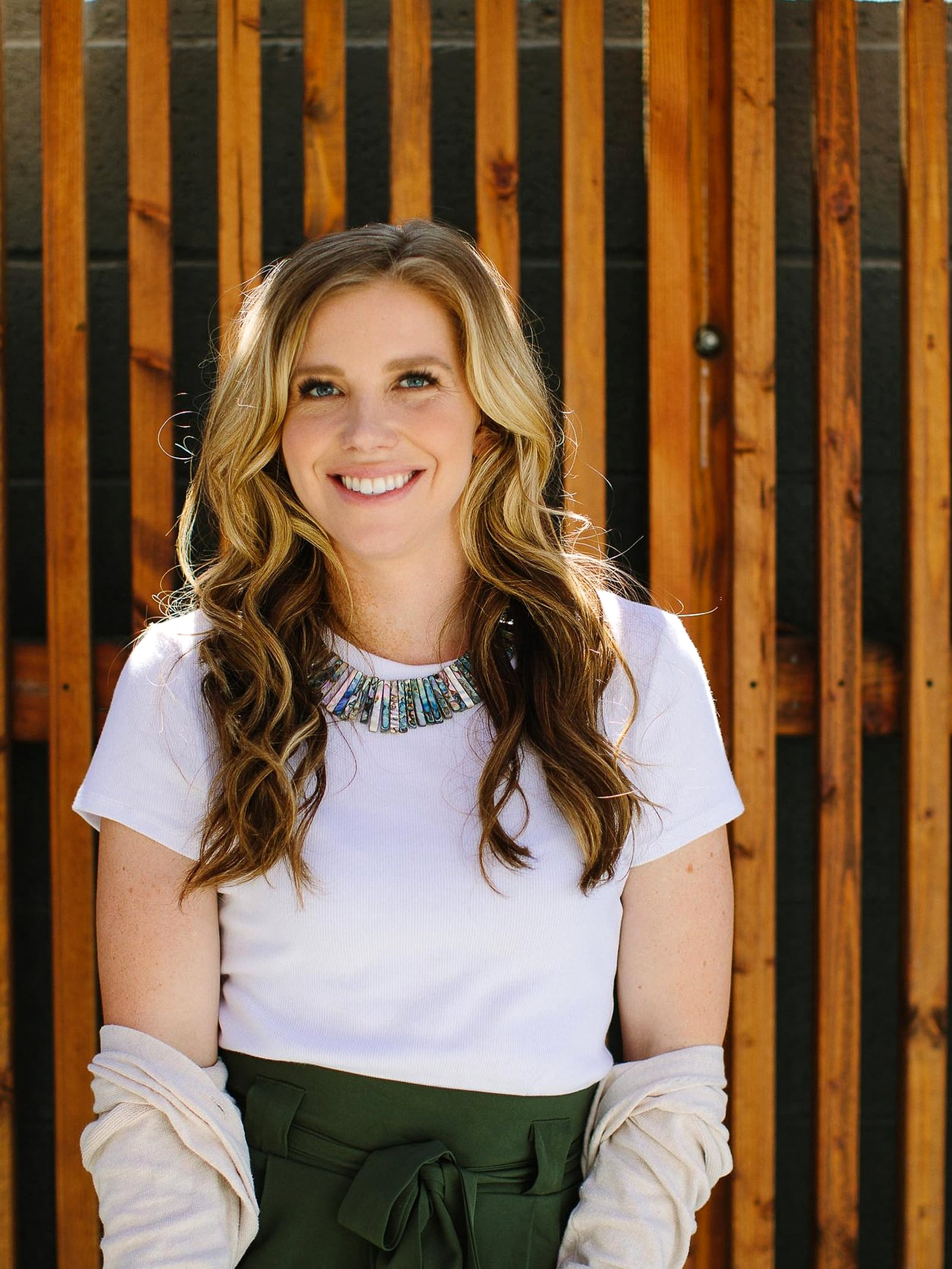
Christina Mathieson
Licensed Marriage and Family Therapist (LMFT) #115093
Founder and lead clinician. Works with anxiety through an integrative lens, drawing on CBT, mindfulness, and neurodiversity-affirming practice.
Full bio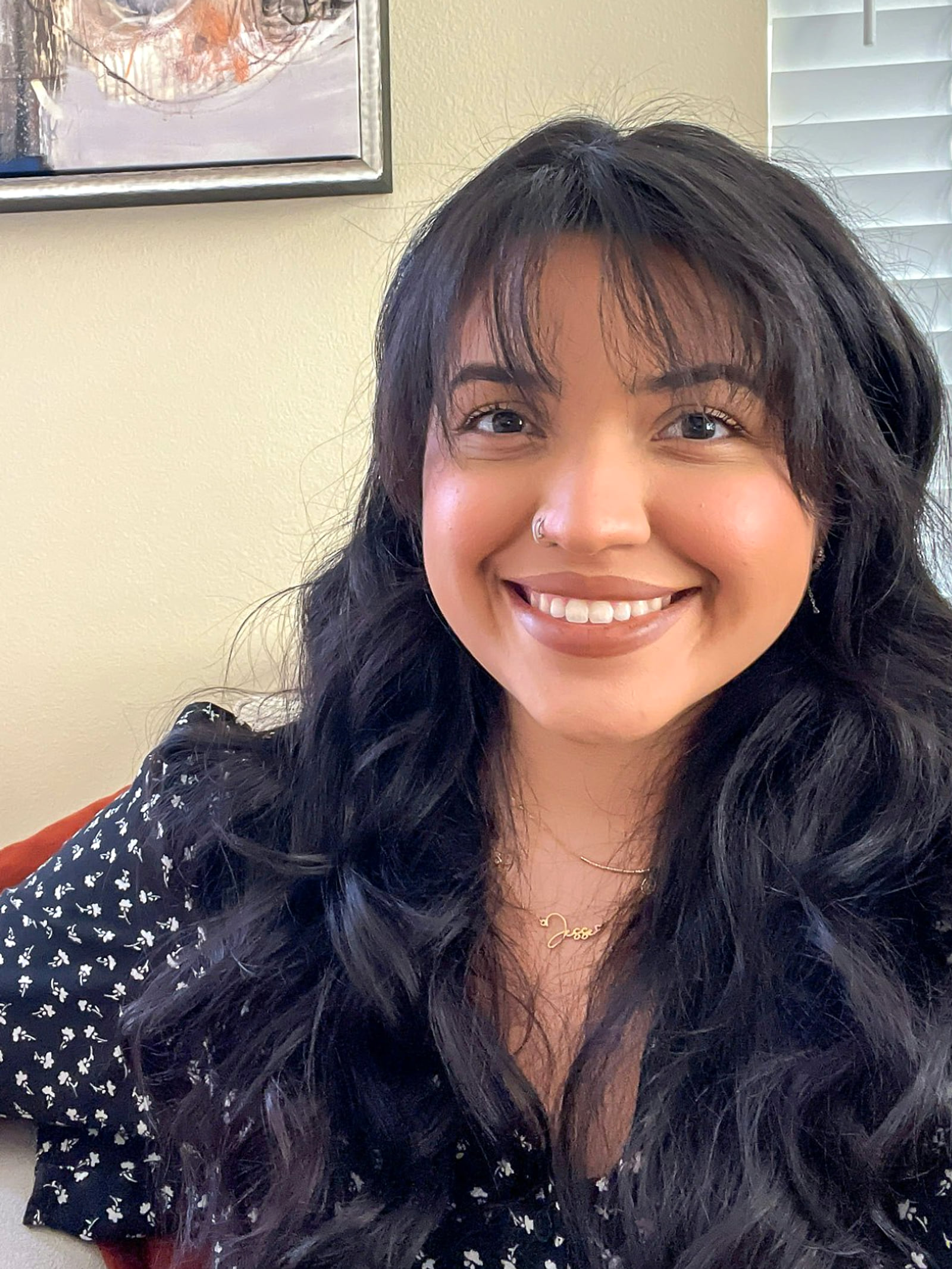
Michelle Cortez
Registered Associate Marriage and Family Therapist (AMFT) #146795
Supervised by Christina Mathieson, LMFT #115093
ERP specialist for OCD and anxiety. Also works with attachment-based couples work and cultural identity.
Full bio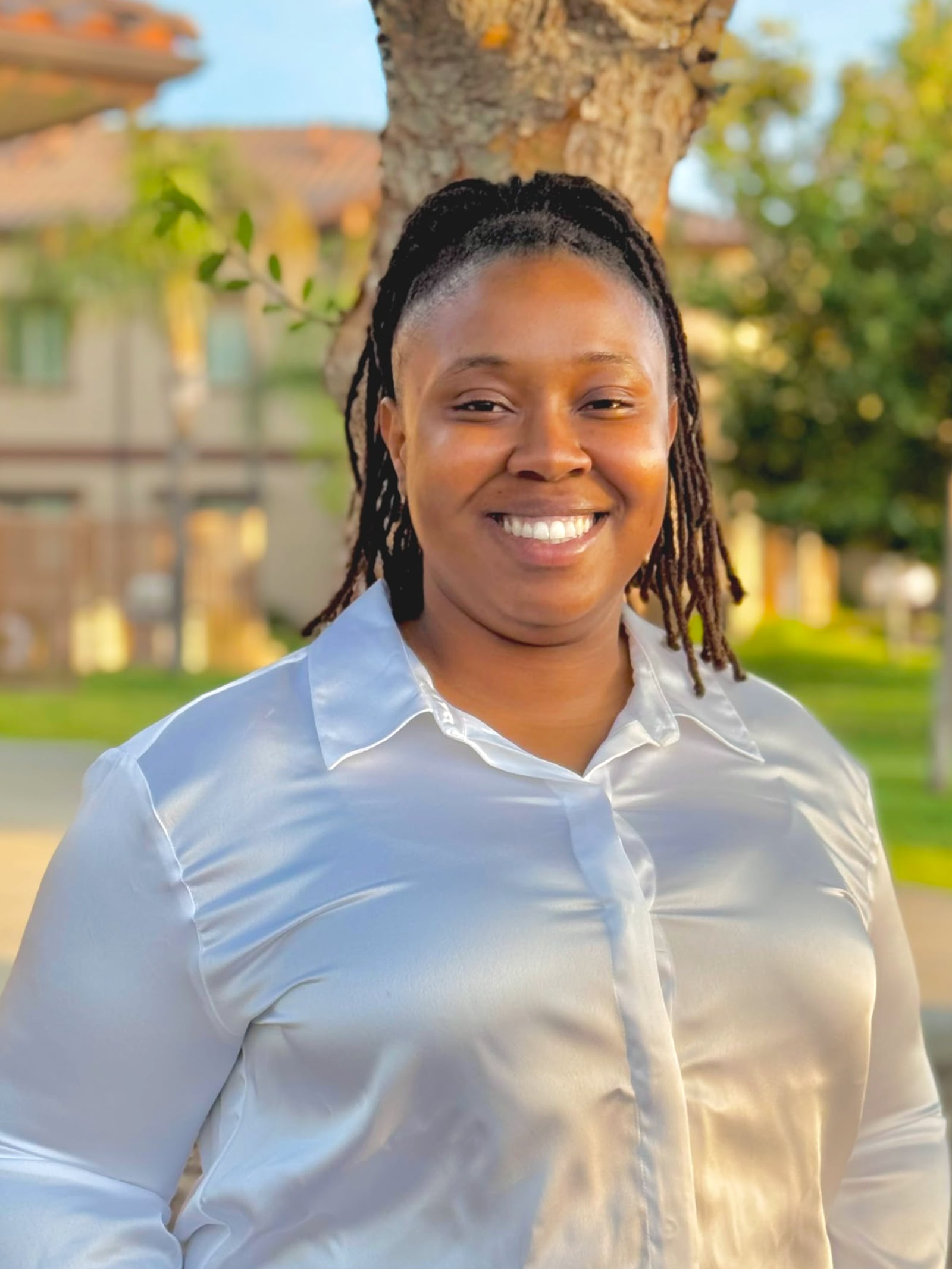
Jalyse Stewart
Registered Associate Marriage and Family Therapist (AMFT) #153712
Supervised by Christina Mathieson, LMFT #115093
Trauma-informed anxiety work for clients whose anxiety is tied to what the nervous system has been holding for a long time. EMDR-focused and IFS-informed.
Full bioFAQ
Common questions about anxiety therapy.
What's the difference between high-functioning anxiety and regular anxiety?
+
High-functioning anxiety is anxiety that shows up alongside (and often fuels) achievement, preparation, and perfectionism. From the outside, you look capable and composed. From the inside, the mind is running constant scenarios, replaying conversations, and bracing for what could go wrong. It usually works, until the cost starts outpacing the benefit. Most clients come in when sleep, jaw tension, stomach issues, or reactivity in relationships signal that the nervous system is asking for attention.
Is ERP effective for OCD?
+
Yes. Exposure and Response Prevention (ERP) is the gold standard evidence-based treatment for OCD. Michelle Cortez, AMFT #146795 (supervised by Christina Mathieson, LMFT #115093), particularly specializes in ERP for anxiety and OCD presentations. The work is structured, collaborative, and paced to what you can tolerate. We don't push you past your window.
Can anxiety therapy work over telehealth?
+
Yes. Most evidence-based anxiety treatments (CBT, ACT, ERP, mindfulness) work just as well over secure video as in person. For most Oakland clients, telehealth also removes the commute friction that can make weekly therapy hard to sustain.
Do I need to take medication for anxiety?
+
Not required. Many clients do great with therapy alone. Others find that medication paired with therapy gets them further, faster. We don't prescribe (that's a psychiatrist's job), and we don't take a position on whether you should take it. We work with whatever you and your prescriber decide, and we can refer to trusted psychiatrists in the area if you want that conversation.
What's the difference between anxiety that needs therapy and regular life stress?
+
Life stress is something you recover from when the stressor passes. Anxiety that needs therapy is when your nervous system is running hot even in moments when there's no immediate threat, when sleep or focus or body signals (jaw, stomach, heart rate) are affected, or when avoidance is shaping your daily choices. If you can't tell which one you're in, the free consult is a good place to sort it out.
Can you help with anxiety that comes with ongoing uncertainty?
+
Yes. Chronic uncertainty is one of the hardest environments for a nervous system to regulate in, and it's a real part of a lot of our Oakland clients' lives: housing, job, family, broader circumstances. We can't change the external situation, but we can work with the internal one: the patterns of worry, the avoidance strategies, the way uncertainty takes up more cognitive and emotional space than it needs to. ACT (acceptance and commitment therapy) is particularly useful for this. It's built for living meaningfully in conditions you can't control.
References & further reading
- NIMH — Anxiety Disorders — National Institute of Mental Health
- The Happiness Trap — Russ Harris, MD (ACT-based) — Russ Harris, MD
- The Gifts of Imperfection — Brené Brown — Brené Brown
- Your body language may shape who you are — Amy Cuddy (TED) — TED

Ready to quiet it down?
Free 15-minute call. We'll talk about what's driving the anxiety, whether our approach is the right fit, and where to start.
Book a Free Consult